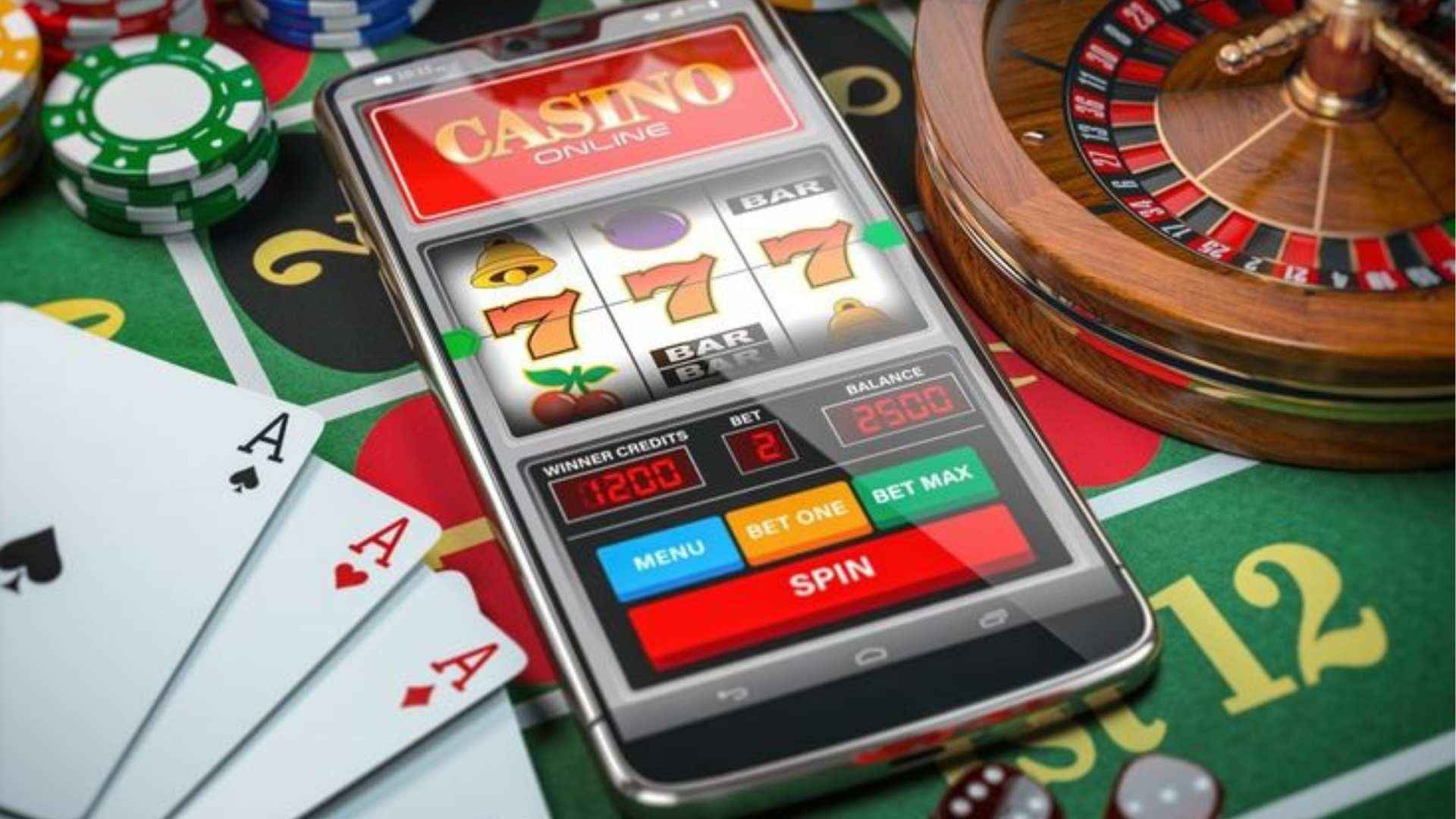
Solitaire has undergone a remarkable transformation over the centuries, evolving from a tactile pastime played with physical cards into one of the most widely recognized digital experiences in modern computing. Originally developed as a quiet activity requiring patience and manual deck shuffling, the game captured the interest of players seeking solo mental engagement. Its transition to electronic formats revolutionized how people interact with casual games, turning a traditional table activity into an instantaneous digital routine accessible to millions worldwide.
The Traditional Roots of Solitaire
For generations, playing Solitaire required a physical deck of cards and a flat surface large enough to arrange complex tableaus. Players had to manually deal each card, keep track of rule sets, and physically clean up the arrangement after every completed session. This tangible experience fostered deep focus and patience, establishing card games as a staple of individual entertainment.
Despite the charm of physical cards, traditional play had clear physical limitations and setup constraints. Gathering the cards, shuffling thoroughly, and dealing correctly took considerable time before gameplay even began. Furthermore, accidental misdeals or lost cards could disrupt the entire experience, creating a demand for more convenient ways to enjoy the game.
The Arrival of Computerized Solitaire
The true turning point in the history of Solitaire occurred when personal computers began incorporating built-in video game software into operating systems. Integrating Klondike Solitaire into early desktop environments served a double purpose: entertainment and user education. Millions of new computer users learned essential mouse skills, such as drag-and-drop mechanics, while enjoying a familiar tabletop pastime.
Digital automation eliminated manual setup, allowed instant restarts, and automatically enforced complex game rules. This technological leap made casual gaming accessible during brief work breaks or relaxed personal time without requiring physical space. Modern entertainment platforms, including popular portals like m88 link, reflect this legacy by offering instant access to digitized card games and interactive formats across connected devices.
Mobile Devices and Modern Innovation
As smartphones and tablets became ubiquitous, Solitaire made another seamless transition from desktop monitors to portable touchscreens. Intuitive touch controls restored a tactile feel to card movements, combining the direct interaction of physical play with the speed of digital software. Mobile app developers introduced daily challenges, progress tracking, and customizable themes to keep long-time players engaged.
Today, digital Solitaire encompasses a vast ecosystem of variations, ranging from Spider and FreeCell to innovative puzzle adaptations. Cloud saving and online leaderboards allow players to track their personal records and compare strategies across global communities. What began as a simple game of physical cards has solidified its place as an enduring digital phenomenon that continues to adapt to modern technology.