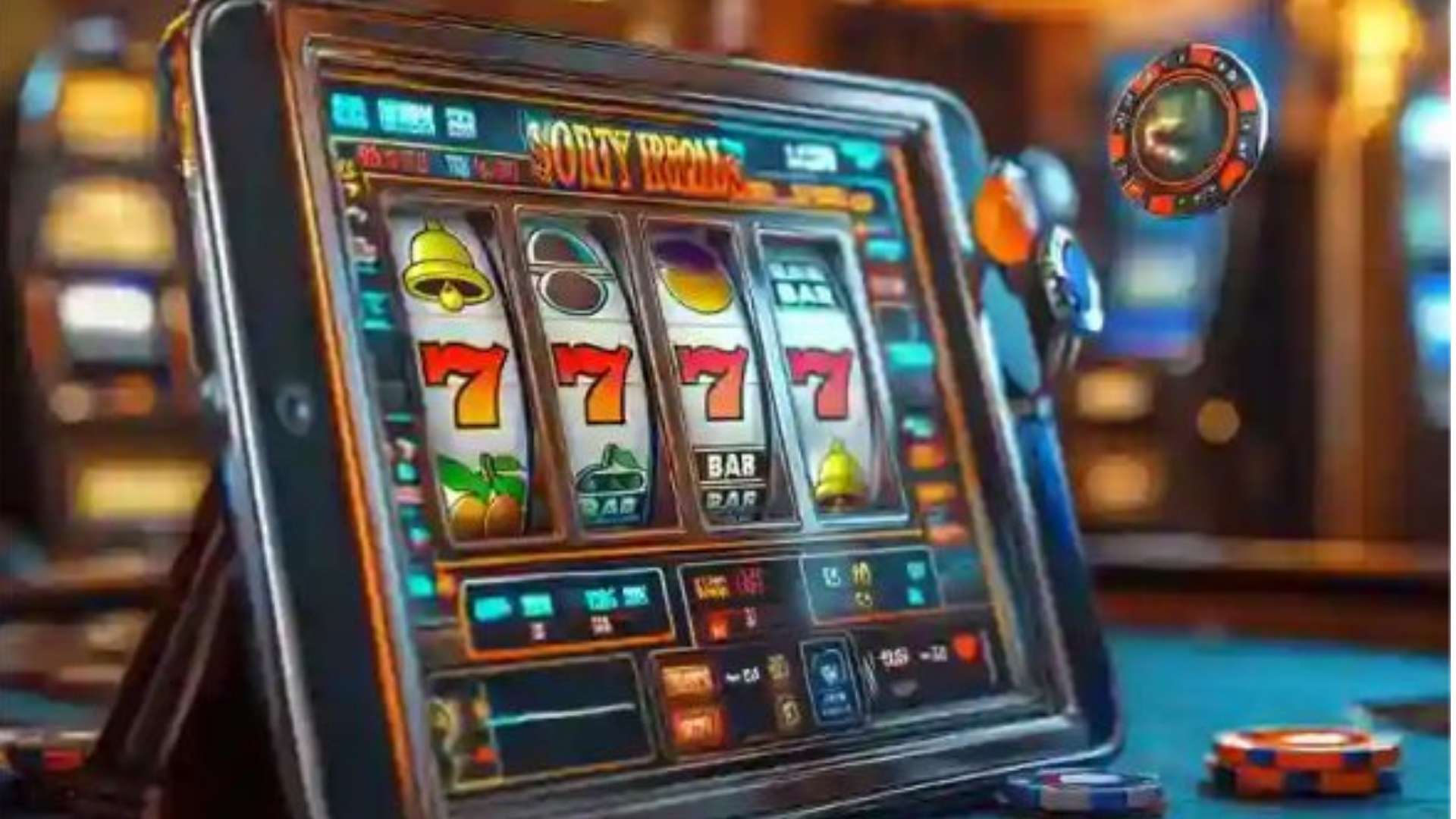
Friendly competitions often rely on skill, preparation, and tactical thinking, but introducing pure chance transforms the dynamic entirely. When outcomes depend on a spin or a draw rather than individual expertise, the social atmosphere shifts from intense focus to shared entertainment. This unpredictability levels the playing field, allowing participants of all skill levels to enjoy the contest on equal terms.
The Equalizing Power of Pure Chance
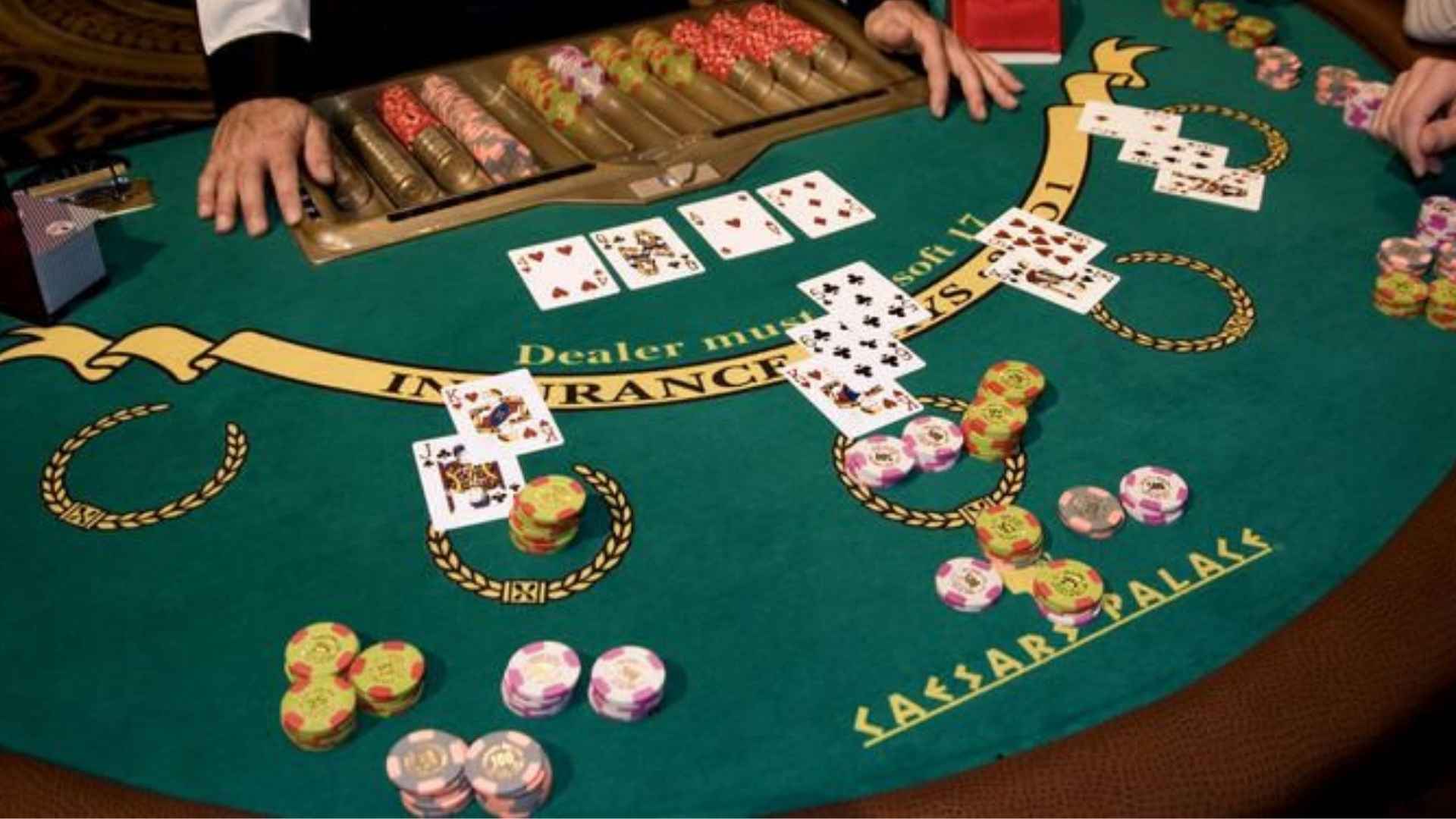
In traditional games, experienced players naturally hold a significant advantage over beginners. Introducing randomized elements removes this barrier, ensuring that everyone maintains a fair opportunity to win regardless of background. This sense of equality reduces social tension and keeps the atmosphere lighthearted and welcoming for every participant.
When luck takes center stage, victory no longer serves as a measurement of superior talent or strategy. Instead, winning becomes a pleasant surprise that everyone present can celebrate together. This unique format shifts the focus away from ego and towards collective enjoyment.
Building Suspense and Shared Moments
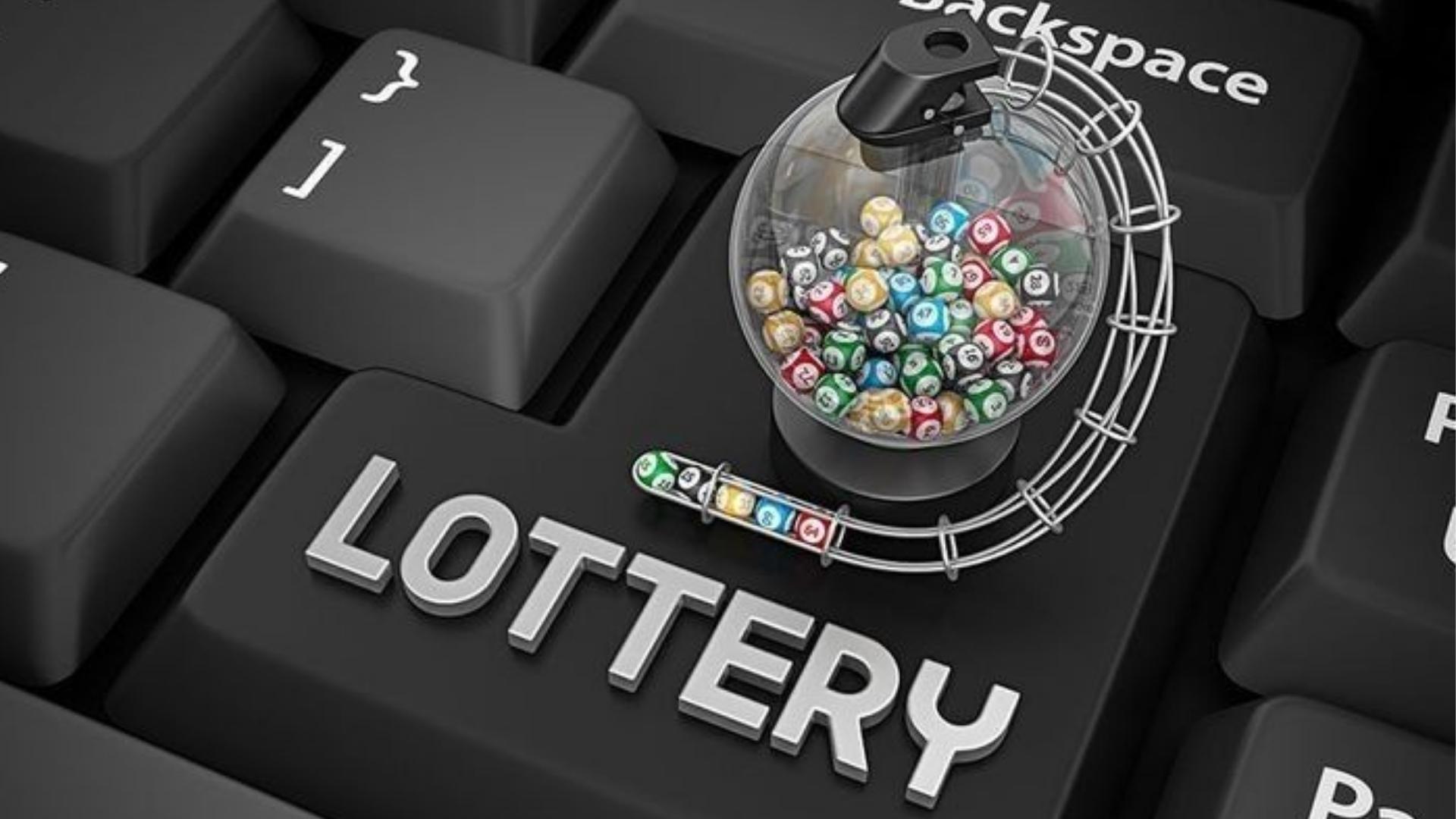
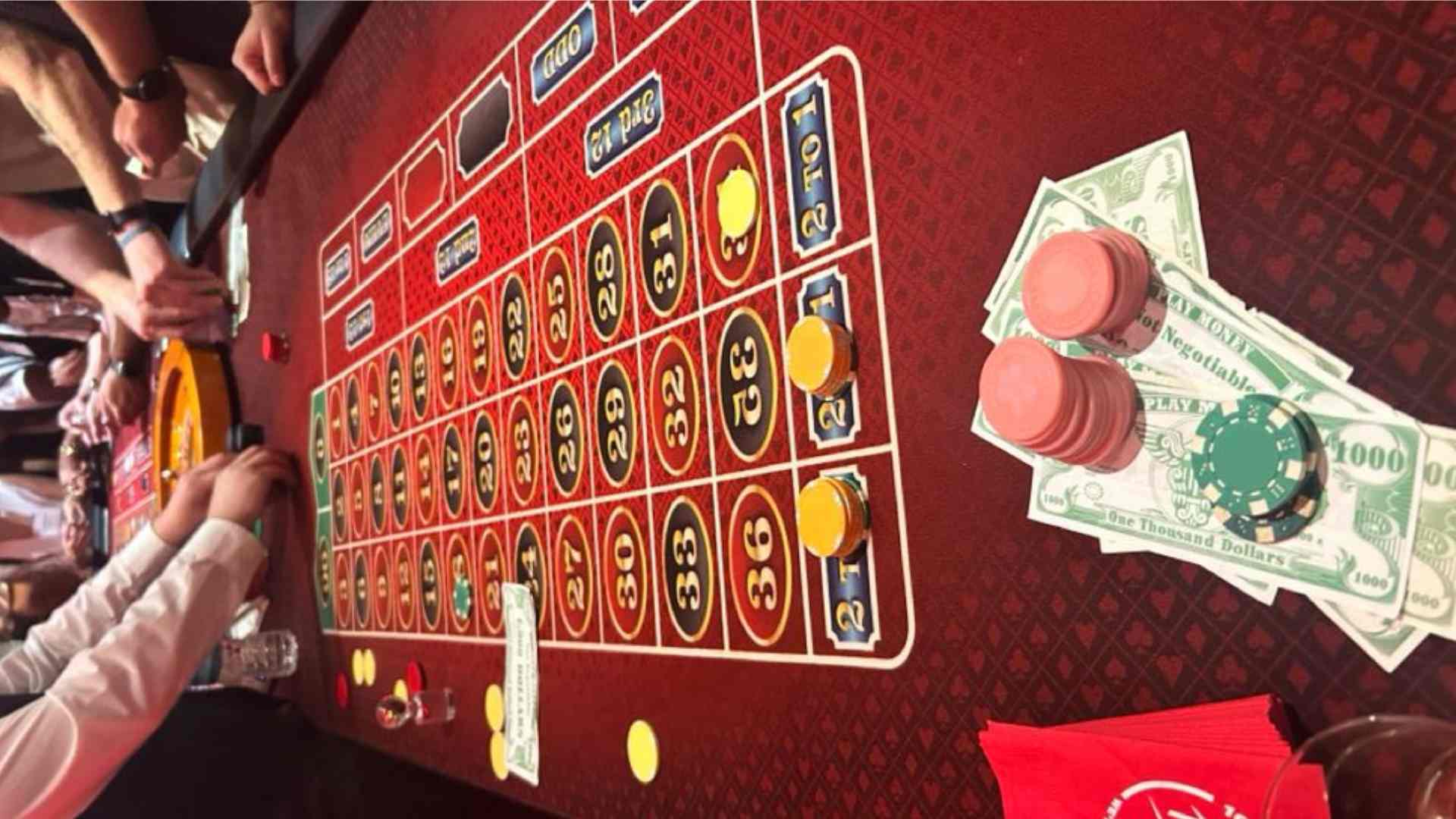
Random selection tools generate a distinct form of psychological excitement that grows as the final result approaches. Watching a rotating indicator or waiting for a draw creates a shared moment of anticipation that engages every spectator simultaneously. The sudden outcome often triggers spontaneous laughter and energetic reactions across the room.
Digital platforms and modern interactive games frequently incorporate these probabilistic mechanics to maintain high user engagement. Exploring online features through an m88 link provides an example of how random outcomes continue to captivate audiences in various recreational environments. The universal appeal lies in the brief pause between action and result.
Strengthening Social Connections
Chance-based competitions foster stronger interpersonal bonds by eliminating the rivalry often caused by strict skill comparisons. Participants tend to cheer for one another because no single player can control the final trajectory. This supportive environment encourages open conversation and memorable social interactions.
Furthermore, losing in a game of chance carries no negative stigma or personal disappointment. Players easily accept unpredictable outcomes because the result reflects luck rather than poor decision-making. This psychological safety makes casual tournaments ideal for social gatherings and team-building events.
Why Simple Mechanics Remain Timeless
The enduring popularity of luck-focused contests stems from their sheer simplicity and immediate accessibility. Complex rules can create friction and overwhelm new players, whereas randomized systems require minimal explanation before the fun begins. Anyone can join immediately without spending time studying strategies.
Ultimately, centering a friendly competition around luck reminds participants that play should be liberating rather than stressful. It offers a brief escape from daily calculations, replacing intense pressure with lighthearted suspense and shared joy.